

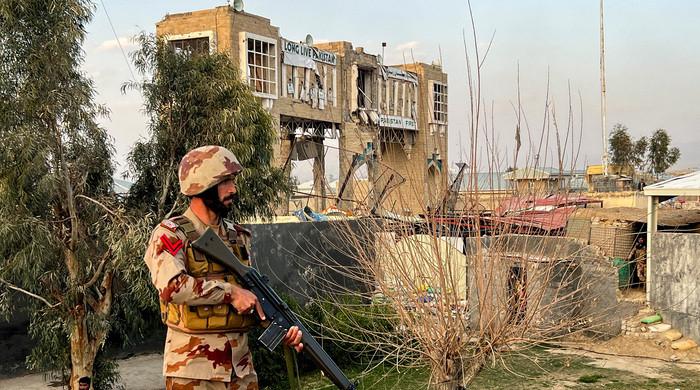

ISLAMABAD: Pakistan and Afghanistan should resolve their differences through dialogue brokered by friendly countries, but to better counter militancy in Khyber Pakhtunkhwa, Islamabad should also rethink its own response, consulting locals on counter-insurgency strategy and improving collaboration between the military and provincial law enforcement.
While Pakistani anger is understandable, Islamabad should rethink its policies that have dampened cross-border trade as well as its stance toward Afghan nationals in Pakistan.
“Responding to the Militant Surge on the Afghan Border”, in the latest report from the International Crisis Group (ICG), its Senior Project Director, South Asia and Senior Asia Adviser, Samina Ahmed said” “Violence in Pakistan’s border regions, driven mainly by the Tehreek-e-Taliban Pakistan, has surged to levels not seen in over a decade, making 2025 one of the deadliest years in recent memory. Islamabad’s strike across the Afghan border this week underscores how quickly tensions with Kabul are escalating.
“Pakistan has made clear it will act again if the Afghan Taliban fail to move against the TTP leaders and fighters on Afghan soil, sharply increasing the risk of renewed conflict between the two neighbours. The Taliban authorities need to take credible steps to curb cross-border incursions and attacks before the cycle of retaliation deepens”.
She warns that further escalation will only compound instability. Mass deportations of Afghans and prolonged border closures are adding to humanitarian and economic strain, and the most vulnerable should not be forced back.
“Islamabad and Kabul should urgently resume negotiations, with facilitation from trusted partners such as Turkiye, Qatar and Saudi Arabia. Political leaders in Islamabad and in Khyber Pakhtunkhwa should also put aside partisan rivalries and work together to confront a shared militant threat,” she said.
Pakistan, of course, has the right to ask foreigners, including Afghans, to enter the country legally with a visa. But even as it insists on such documentation for newly visiting Afghans, it should expedite provision and/or extension of visas for those already in the country, particularly for women’s rights activists, journalists and women and girls seeking medical care or educational opportunities.
“UN agencies, local and international NGOs and civil society organisations, including rights groups in Pakistan, could also play a role in helping meet the educational, health care and economic needs of this most vulnerable segment of the Afghan refugee population. At the same time, Western governments should move quickly to resettle refugees who have been approved for relocation, giving priority to those most in need of protection,” said the report.
Top Pakistani leaders warn that cross-border strikes could once again be on the cards should the TTP attacks continue apace. Senior officials, however, caution against an over-reliance on force. To fully address cross-border militancy, a senior ex-diplomat noted: “Pakistan needs a more nuanced policy, which includes both diplomacy and incentives.”
The resumption of dialogue is certainly desirable, but that is unlikely to happen until the Afghan Taliban are willing to police the border more strictly and curb incursions across the frontier. Until such time as Islamabad is willing to renew high-level talks, it can use back channels – via its embassy and consulates in Afghanistan – to convey its concerns to the Taliban authorities and/or defuse tensions if they escalate, particularly in the event of another bloody militant attack.
For now, Islamabad and Kabul have no common ground on how to deal with the TTP leaders and fighters based in Afghanistan.
Amid bilateral tensions, the role of countries that have friendly ties with both Pakistan and Afghanistan has become crucial to averting renewed armed conflict. Qatari-Turkish mediation might have ended in stalemated talks, but it still produced a ceasefire that, aside from sporadic clashes, remains in place.
During the talks, the two sides also agreed to refrain from hostile acts against each other, though they failed to reach a consensus on a mechanism to fulfil such pledges, leading to the current deadlock. The prospect of striking such a deal remains slim in the absence of dialogue. Since bilateral talks are not on the cards for now, external mediators – Qatar, Türkiye and Saudi Arabia – could help.
Anti-militant sentiment is rife in the region, creating opportunities for state forces to gain local support. But counter-insurgency efforts will prove more effective if local concerns about security and economic costs are taken into account.
Strengthening Khyber Pakhtunkhwa’s provincial police and ensuring that the forces are responsive to local concerns remains a top demand of many political and social leaders in the conflict-hit province, alongside better coordination between federal and provincial authorities and law enforcement.
Even as it clearly conveys zero tolerance for Afghan territory being used to mount attacks in Pakistan, Islamabad should bear in mind that resorting to cross-border strikes will increase the risk of armed conflict. Instead, Islamabad – and Kabul – can use venues that friendly countries offer to make their case to each other and to the rest of the world.
Finding peaceful ways to settle the differences between Islamabad and Kabul would better serve Pakistani and Afghan interests than attempting to resolve them on the battlefield.
Originally published in The News
Discover more from Brackly News
Subscribe to get the latest posts sent to your email.