


- Met forecasts sharper cold from December 15 in city.
- La Nina, climate change driving shorter, drier winters.
- Expert flags drought risk amid weaker winter rainfall.
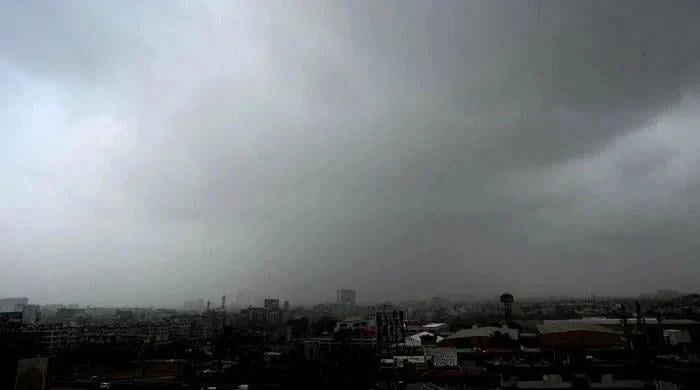
KARACHI: Karachi’s air is saturated with 93% humidity on Friday, with light haze and a dry winter day expected before cold sets in at night, as the Pakistan Meteorological Department (PMD) warns of intensifying cold from December 15 and a climate expert says the country is already seeing shorter, drier winters under La Nina and climate change.
According to the Met Department, the maximum temperature in the city is likely to reach up to 31 degrees Celsius today, with northeasterly winds blowing at around 9 kilometres per hour.
Despite the high humidity and hazy conditions, officials said the weather is likely to remain dry throughout the day and cold at night, with a further increase in the intensity of cold forecast from December 15.
Her comments came as Karachi woke to 93% humidity and a dry, hazy morning. Speaking on Brackly News morning programme “Brackly Pakistan” on Wednesday, climate change expert Dr Zainab Naeem explained that the current dry winter pattern is linked to the La Nina phase of the El Nino–Southern Oscillation (ENSO), which influences cloud formation and rainfall over South Asia.
She said that during the monsoon season, La Nina brings more clouds towards South Asia and there is more rainfall, while El Niño brings a dry spell. In winter, however, La Nina has the opposite effect, with fewer clouds reaching the region and a resulting dry spell.
Dr Naeem said that in recent years, rainfall in October, November and December has reduced significantly, with rains no longer occurring as they once did and mostly dry conditions persisting, which also affects crops. She added that this pattern is now being intensified by climate change, which has shifted rainfall trends and shrunk the winter season, meaning the cold period is shorter.
She said that in the coming days, after mid-December, only light rains are expected and that this rainfall will remain below normal compared to previous years when there used to be more rain in December and January. When it does rain in winter, she noted, the intensity of the cold will increase, but this will be temporary and not for long.
During the programme, it was noted that the meteorological department is expecting less snowfall this winter and slightly above-normal temperatures, along with a risk of drought, even though next year’s monsoon rainfall has been projected to be about 26% higher.
Dr Naeem said the trend of reduced winter rainfall and dry spells has become more pronounced in recent years under the influence of climate change.
She also pointed out that this year Pakistan has seen prominent effects of climate change directly, including flooding reaching big cities, while devastation was particularly severe in rural areas. She said one of the biggest challenges is that policy and science are still not properly connected, which is why enforcement and action planning are not happening in the way they should.
Explaining recent temperature patterns in major cities, she said there is a trend of daytime temperatures being higher than normal and nighttime temperatures being lower than normal.
When dry air is present, she noted, it absorbs the sun’s heat more quickly during the day, raising surface temperatures, while at night heat escapes rapidly and it becomes colder.
Dr Naeem stressed that understanding these factors scientifically is essential for planning for winter and summer seasons and for climate action.
She warned that more flooding is expected in 2026 and said Pakistan needs to start preparing now, asking whether the country is ready to deal with the devastation caused by climate change.
Discover more from Brackly News
Subscribe to get the latest posts sent to your email.