
Pakistan and Bangladesh, among the world’s lowest carbon emitters yet some of the most climate-vulnerable countries, are set to be covered by the first-ever Heat Stress Protocol under the International Accord for Health and Safety in the Garment and Textile Industry.
According to a news report, the International Accord, which oversees workplace safety through independent inspections, worker training and complaints mechanisms, has confirmed that heat stress will be treated as a specific occupational risk within its country programmes.
The move will integrate heat-related checks into inspections and remediation plans for factories in Pakistan and Bangladesh.
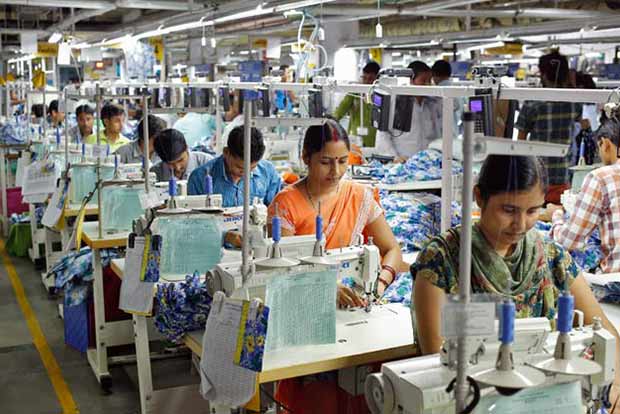
For Pakistan, where textiles account for more than 60% of exports, the issue highlights a structural imbalance in global supply chains. Much of the apparel consumed in wealthier markets is produced in regions warming faster than the global average, in facilities not designed for extreme heat and staffed by workers with limited protections.
Investigations in Karachi, Faisalabad, Lahore, Dhaka and Gazipur have linked unsafe factory temperatures to tight margins and purchasing practices that leave suppliers unable to invest in cooling, ventilation and engineering upgrades unless buyers share costs.
Cara Schulte, a researcher at Climate Rights International (CRI), said the decision shows that binding, rights-based protections against climate risks in workplaces are achievable.
CRI has documented rising temperatures inside garment factories across South Asia, warning that millions of workers face dehydration, fainting and other heat-related illnesses while meeting production targets.
The push for the protocol follows advocacy by CRI and 45 partner organisations, including labour and rights groups from Pakistan and Bangladesh, which urged brands and regulators to address the human impact of climate change across supply chains. Although several global brands such as H&M, Inditex, Mango, PVH and Marks & Spencer are signatories to the legally binding accord, CRI says responsibilities must extend beyond formal compliance.
CRI argues that without enforceable global standards, climate-related risks will continue to be passed on to workers.
Pakistan contributes less than one percent to global emissions but ranks among the ten most climate-vulnerable countries, while Bangladesh faces similar exposure with dense factory clusters and high heat and humidity.
By formally recognising heat stress as an occupational hazard, the accord has taken a step toward addressing what advocates describe as climate inequality embedded in global manufacturing.
Discover more from Brackly News
Subscribe to get the latest posts sent to your email.