

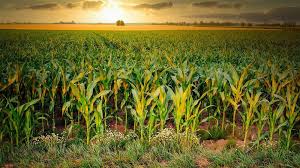
ISLAMABAD: The federal government is considering the phased and regulated adoption of genetically modified (GMO) maize to raise agricultural productivity and strengthen export competitiveness, Federal Minister for National Food Security and Research Rana Tanveer Hussain said on Monday.
Chairing a high-level meeting on GMO and non-GMO maize policy, the minister said the use of modern biotechnology could help Pakistan address low crop yields, climate stress and rising food demand, while ensuring compliance with existing biosafety laws.
Officials informed the meeting that Pakistan currently exports maize worth around $340 million annually, and that the adoption of GMO maize technology could increase yields by 15–20 maunds per acre, significantly improving farmer incomes and national food security.
The minister stressed that any move towards GMO crops would be carried out strictly under Pakistan’s Biosafety Rules, 2005, which regulate the import, export, research and commercial use of genetically modified organisms, with an emphasis on human health and environmental safety.
The secretary of the Ministry of National Food Security and Research told participants that work was under way on a comprehensive biotechnology policy that would extend beyond maize to other crops, aiming to provide regulatory clarity while protecting the interests of investors, exporters and consumers.
Drawing parallels with past reforms, officials cited the introduction of hybrid rice technology, which helped boost Pakistan’s rice exports, as an example of how responsible adoption of innovation can yield positive economic outcomes.
The meeting, attended by representatives of Rafhan Maize Products Company Limited and other stakeholders, agreed on continued consultations and evidence-based policymaking to support the gradual introduction of advanced agricultural technologies without disrupting existing markets.
Discover more from Brackly News
Subscribe to get the latest posts sent to your email.