

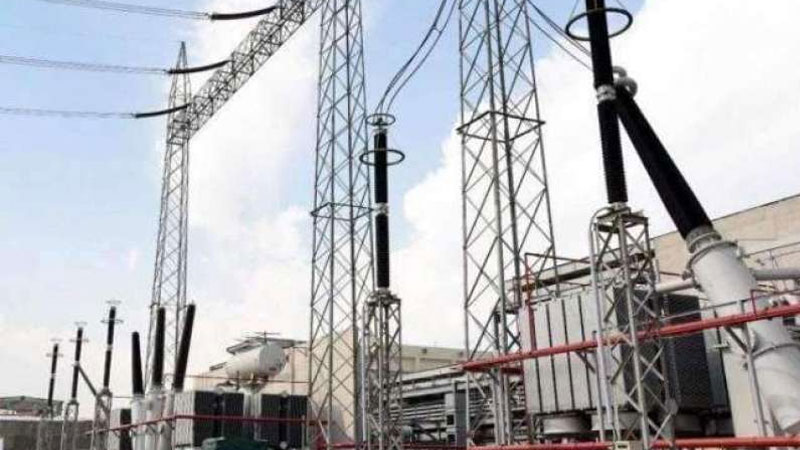
The federal government has begun work on large, utility-scale Battery Energy Storage Systems (BESS) to stabilise the national grid as intermittent solar and wind projects expand faster than planned, Power Minister Sardar Awais Leghari informed the National Assembly.
In a written reply, the minister said the government is pursuing the development of large-scale battery energy storage systems through private-sector investments to address the intermittency of variable renewable energy, optimise grid demand management, and enhance overall system stability.
He also confirmed that Pakistan is steadily moving away from liquefied natural gas (LNG) as part of a broader policy shift aimed at reducing dependence on imported fuels amid growing renewable capacity and stagnant electricity demand.
According to the power minister, Pakistan’s clean energy share reached 46% by September 2025, exceeding the government’s target of 40% for 2025. Current on-grid renewable capacity stands at 37%, with a significant jump driven by private-sector projects.
A total of 60 renewable energy projects are operational under the Private Power and Infrastructure Board, contributing 4,753MW, including 680MW of solar, 1,937MW of run-of-river hydropower, 1,845MW of wind, and 291MW of bagasse cogeneration. Public-sector hydropower and solar additions have further strengthened the mix.
Leghari said net-metering-based solar installations have added 6,390MW as of September 2025, pushing the overall clean energy share beyond the 2025 target. The government has also finalised an initial quota of 800MW for the Competitive Trading Bilateral Contract Market to enable direct renewable energy contracts between producers and large consumers.
He stressed that reliable and affordable electricity was essential for economic growth, adding that national policies were focused on expanding indigenous resources such as solar, wind, hydropower, bagasse, and Thar coal.
On LNG supplies, the minister said reliance on imported fuel had comparatively reduced, with priority shifting toward indigenous and renewable generation. He noted that solar adoption was being encouraged across residential, commercial, and industrial sectors, supported by net-metering regulations for systems up to 1MW.
Responding to another question, Leghari said load management across distribution companies was based on average technical and commercial losses, adding that there was no loadshedding due to generation shortfall.
Discover more from Brackly News
Subscribe to get the latest posts sent to your email.